
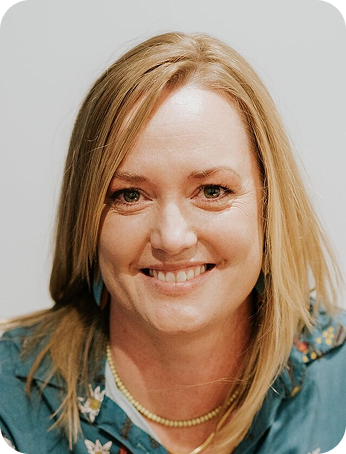
This month, we interviewed Dr Ashlea Broomfield for our Member Stories, a regular feature in our newsletter where we shine a spotlight on the passionate individuals that make up our member base.
If you would like to share your story, please email the Marketing team at [email protected]
1. What did you want to be when you were young?
A writer, a photographer or a journalist.
2. Describe your medical journey.
At the end of the HSC I was planning to go to live in Melbourne to study Media and Communications… and I drove past a hospital and decided I might want to go into healthcare. My brother who was studying engineering at the time said it was easier than his degree and that I would be able to do it… and I figured it was easier to ‘get in’ to medicine than to transfer across. So I applied, got ‘in’ and decided if I didn’t like it I would change. Fast forward almost 20yrs and here I am! Thereafter I followed my heart. Initially I wanted to do paediatrics. Then rehabilitation medicine… then O&G… then ED… I couldn’t decide on a specialty I liked enough to do it ALL THE TIME. Then I found General Practice and I appreciated the flattened hierarchy, the autonomy and independence and the range of possibilities within the career. I was naturally ‘good’ at mental health and ended up working with a lot of complex and chronic mental health in my training and post fellowship. Again I followed my passions and found an interest in issues relating to food, sex and bodies and one day whilst holding a scalpel realised I wanted to do the ‘soft’ medicine over procedural work. So I opened my own space.
3. Your first patient interaction – what did you learn from this experience?
My first notable patient interaction was during internship on the rehabilitation ward – I was whinging to a mentor of mine who suggested if I was bored I could go speak to my patients. I went and had a chat to someone who had experienced a stroke a few months prior, but was not aware what a stroke was, how it occured or what the medications were for. It was then I realised how dehuminising and non-patient centric our healthcare system can be. I learnt that healing in medicine is about the human who is in need of care and assistance, not the science and cleverness of the medical system to cure and its inhabitants who ‘do’ the treating. I am glad I learnt that lesson early.
4. Why is Psychological Medicine a passion area for you?
It feels like an Ikigai. That which I am good at. What the world needs. What I can be paid for. That which I love.
5. Why were you drawn to ASPM?
I read a fantastic letter from an ASPM fellow and then googled it! I went to a webinar and felt very amongst people who did the same work as me. I felt less alone and that was very nice.
6. Psychological Medicine in general practice is hard work. Can you offer a word of advice/support for fellow mental health doctors?
Look after yourself. Just because you can does not mean you should.